
RESEARCH INTERESTS
Since my undergraduate studies, I have focused on the structural and functional characterization of proteins of biomedical relevance. Initially trained in enzymology, I further developed my expertise during five years of research abroad, where I specialized in structural biology and expanded my methodological toolkit. Over time, I have integrated biochemical approaches with structural, biophysical, and computational methods. I exploit this multidisciplinary framework to decipher the molecular basis of disease, identify relevant targets, and design novel therapeutic strategies. Since 2016, I have been an independent researcher at the Institute of Biophysics of the Italian National Research Council (CNR), where I lead my own research lines. Rare diseases represent a primary focus of my research.
- 2023-ongoing
Senior researcher – Institute of Biophysics –(IBF-CNR), Milano, Italy - 2022-2032
Habilitation to associate Professor in Biochemistry (BIO/10) - 2016-2022
Researcher – Institute of Biophysics –(IBF-CNR), Milano, Italy. - 2013-2015
PostDoc – Department of Biosciences, University of Milano, Italy - 2010-2013
PostDoc – Instituto Gulbenkian da Ciença (IGC), Oeiras, Portugal - 2008-2009
PostDoc – ITQB, Universidade Nova de Lisboa, Portugal - 2004-2007
PhD in Molecular Biology – University of Milano - 1998-2004
MSc in Biological sciences – University of Milano
GROUP MEMBERS
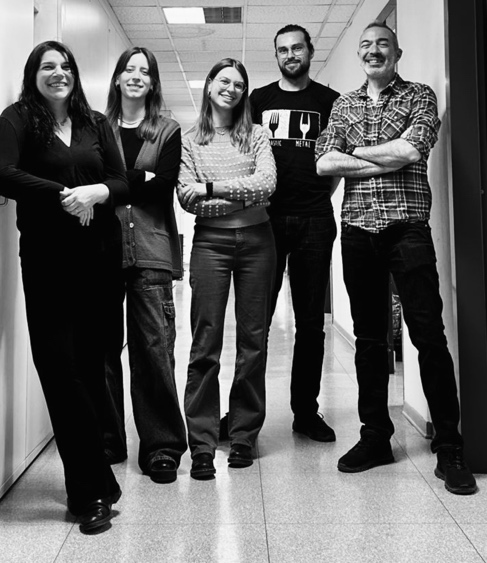
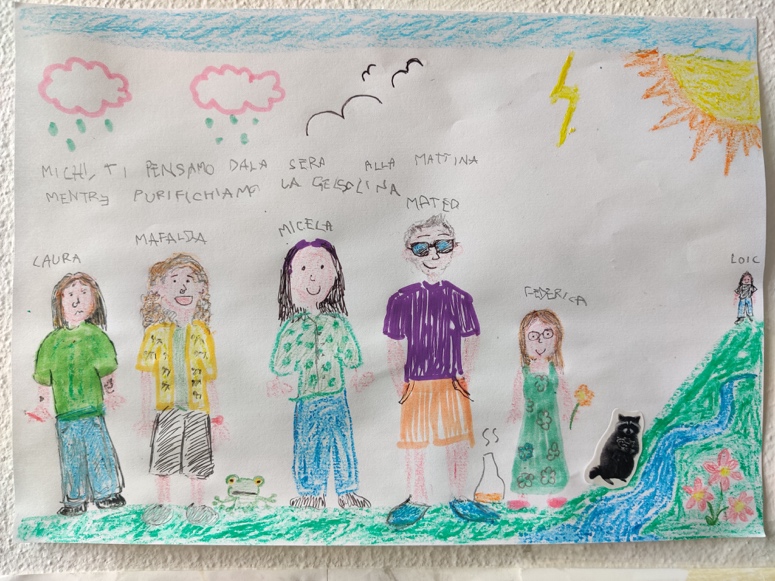
Michela Bollati – tenured researcher
Federica Malinverno – grad student
Chiara Leonardi – grad-student (co-supervised with Dr. Luisa Diomede @ Istituto Mario Negri IRCCS )
Mafalda Restelli PhD student (main supervisor Prof. Angelica Crottini @ CIBIO)
Vittorio Castoro – master student
PROJECTS
Gelsolin Physiopathology, cytoskeleton and related proteinopathies
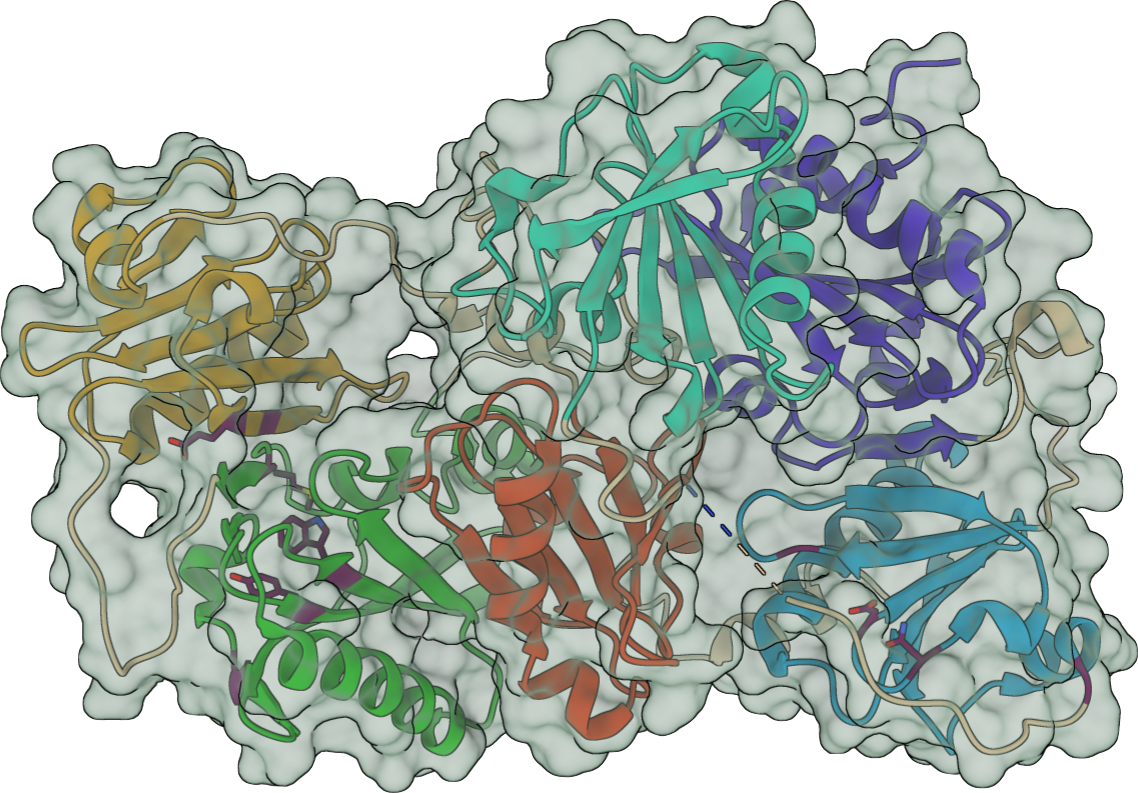
Gelsolin, the prototype of a superfamily of calcium-dependent proteins, regulates actin dynamics through its severing, capping, and nucleating activities. Due to its essential functions and ubiquitous presence, gelsolin plays a key role in various physiological processes, including cell motility, division, organelle trafficking. Emerging evidence also highlights its involvement in cell metabolism and signaling through actin-independent mechanisms.
Alterations in gelsolin expression levels or dysregulation of its activity have been implicated in numerous diseases, particularly cancers. The GSN project integrates structural, biochemical, and biophysical approaches to unravel the molecular mechanisms underlying gelsolin-related diseases and to provide a detailed structural characterization of its physiological functions. Concurrently, we design and screen gelsolin inhibitors and stabilizers to develop novel therapeutic strategies targeting gelsolin-associated conditions.
Structural Biology of Rare diseases
Numerous bioinformatics analyses indicate that most substitutions leading to monogenic diseases disrupt the gene product’s function by altering its native structure, folding, stability, dynamics, or oligomerization potential. In other words, a significant proportion of rare diseases arises from changes in the biophysical properties of the causative proteins.
Our methodologies complement clinical research, which in the context of rare diseases is frequently constrained by limited funding and scarce biological samples. Within this array of strategies, computational approaches significantly reduce the experimental workload, while streamlined wet lab studies on simplified systems offer time- and cost-efficient alternatives to traditional methods.
Several different rare diseases are addressed by our group, including amyloidosis, myopathies, metabolic and neurodegenerative disorders.
FUNDINGS
- As principal investigator (including fellowships)
2025-2027 – Telethon Multiround 2024 “rational design of inhibitors of gelsolin amyloid aggregation” (ref GMR24T1097) Principal Investigator (PI)
2024-2025 – Telethon seed Grant 2023 (CIPO) “Structural Bases of ACTG2-dependent smooth muscle Myopathies” (ref GSA23K003) Principal Investigator
2023-2026 – Progetti di Rilevante Interesse Nazionale (PRIN 2022) “NAGAT: Novel Approaches to Gelsolin Amyloidosis Treatment” (ref 20224JEF9E) Principal Investigator (PI)
2023 – MOSBRI transnational access “Characterization of conformational fluctuations of a flexible multi-domain protein: the case of Gelsolin” (ref MOSBRI-2023-168) PI
2018-2019 – Amyloidosis Foundation research grant “From protein structure to novel drugs against Agel amyloidosis: a fast and cost-effective route to the development of new therapeutics”, PI, amyloidosis.org/research
2019 – iNEXT ‘Impact of pathological mutations on gelsolin structure and dynamics’ (PID: 8038), access to EU infrastructures, PI
2016-2017 – Telethon exploratory grant “Characterization of recently identified gelsolin variants responsible for a novel renal amyloidosis and in silico screening of drug candidates” (ref GEP15070) PI
2011-2013 – FCT Post Doctoral Fellowship (ref SFRH/BPD/71629/2010)
2010 – SIB (Italian society of biochemistry) Fellowship in memory of Prof. Bruno Curti
2009 – FEBS short term fellowship - Others grants
2023-2025 – Cariplo-Telethon Joint Grant “Broad-spectrum rescue-of-secretion of Tdark glycoprotein mutants” (ref GJC22077), team member (PI Dr. Pietro Roversi) 2022-2025 – NextGenerationEU “One Health Basic and Translational Research Actions addressing Unmet Needs on Emerging Infectious Diseases” (ref: PE00000007) Partenariati estesi alle università, ai centri di ricerca, alle aziende per il finanziamento di progetti di ricerca di base” team member (PI Dr. Eloise Mastrangelo). 2022-2024 – Rafforzamento e creazione di Infrastrutture di Ricerca da finanziare nell’ambito del PNRR “EBRAINS-Italy – European Brain ReseArch INfrastructureS-Italy” (ref: IR0000011) team member (PI Dr. Eloise Mastrangelo). 2022 – RESEARCH GRANTS HCU Network America and CblC onlus “Identification of compounds to rescue MMACHC functional deficiency in cblC disease”, team member (PI: Dr. Silvia Vilasi)